Complete Guide to Automotive Bearing Selection and Maintenance: NTK Ouyun Professional Guide
From Core Parameters to Daily Maintenance — A One-Article Overview of Key Automotive Bearing Points
NTK Ouyun auto parts compiles practical advice on automotive bearing selection, installation, and daily maintenance for vehicle owners and repair technicians, helping identify fault signals and extend bearing life.
Why Are Automotive Bearings So Critical?
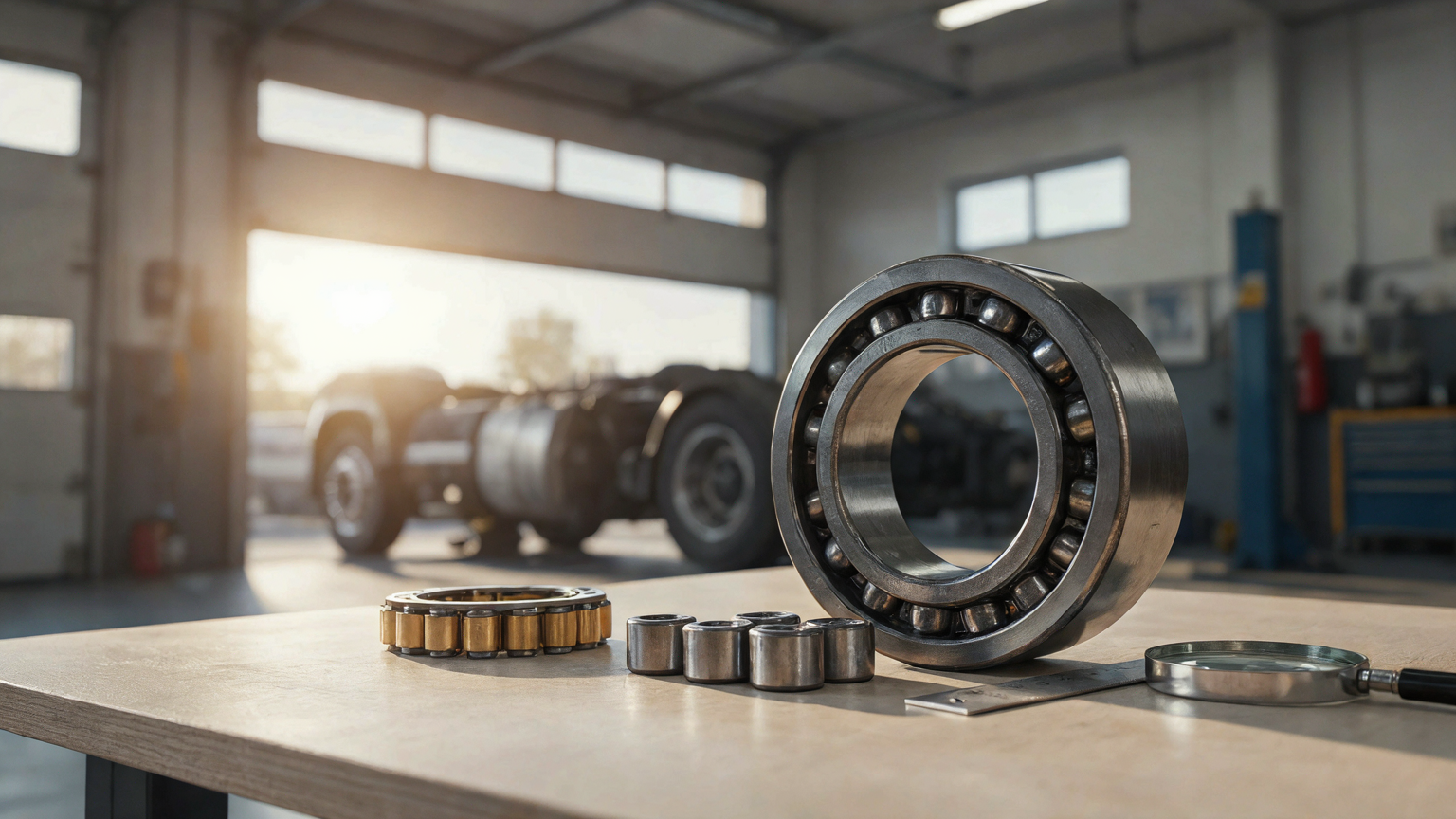
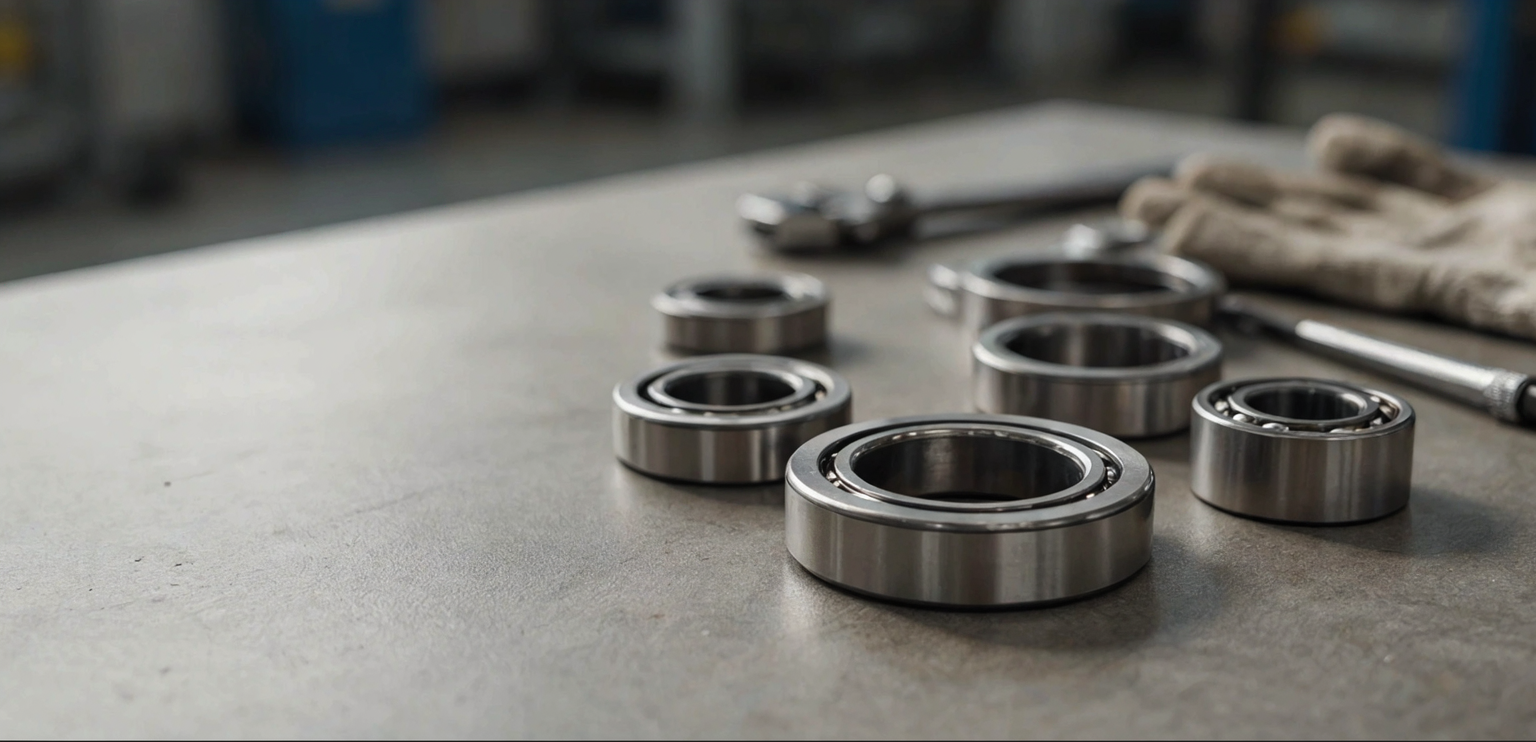
In the complex mechanical structure of modern vehicles, although bearings are relatively small components, they shoulder the critical tasks of supporting rotation, reducing friction, and transmitting force. Whether in the wheel hub, transmission, steering system, or inside the engine, the working condition of bearings directly affects the smoothness of the entire vehicle, fuel economy, and even driving safety. A substandard bearing may develop abnormal noise or seizure within just a few tens of thousands of kilometers, while a high-quality bearing can accompany a vehicle through its entire lifecycle. Therefore, understanding bearing selection and maintenance is essential for every vehicle owner and technician.
Selecting Bearings: Understanding the Three Core Parameters
Automotive bearings are not universal parts; different vehicle models and different positions impose strict requirements on bearing size, load, speed, and sealing type. The following three parameters should be focused on during selection:
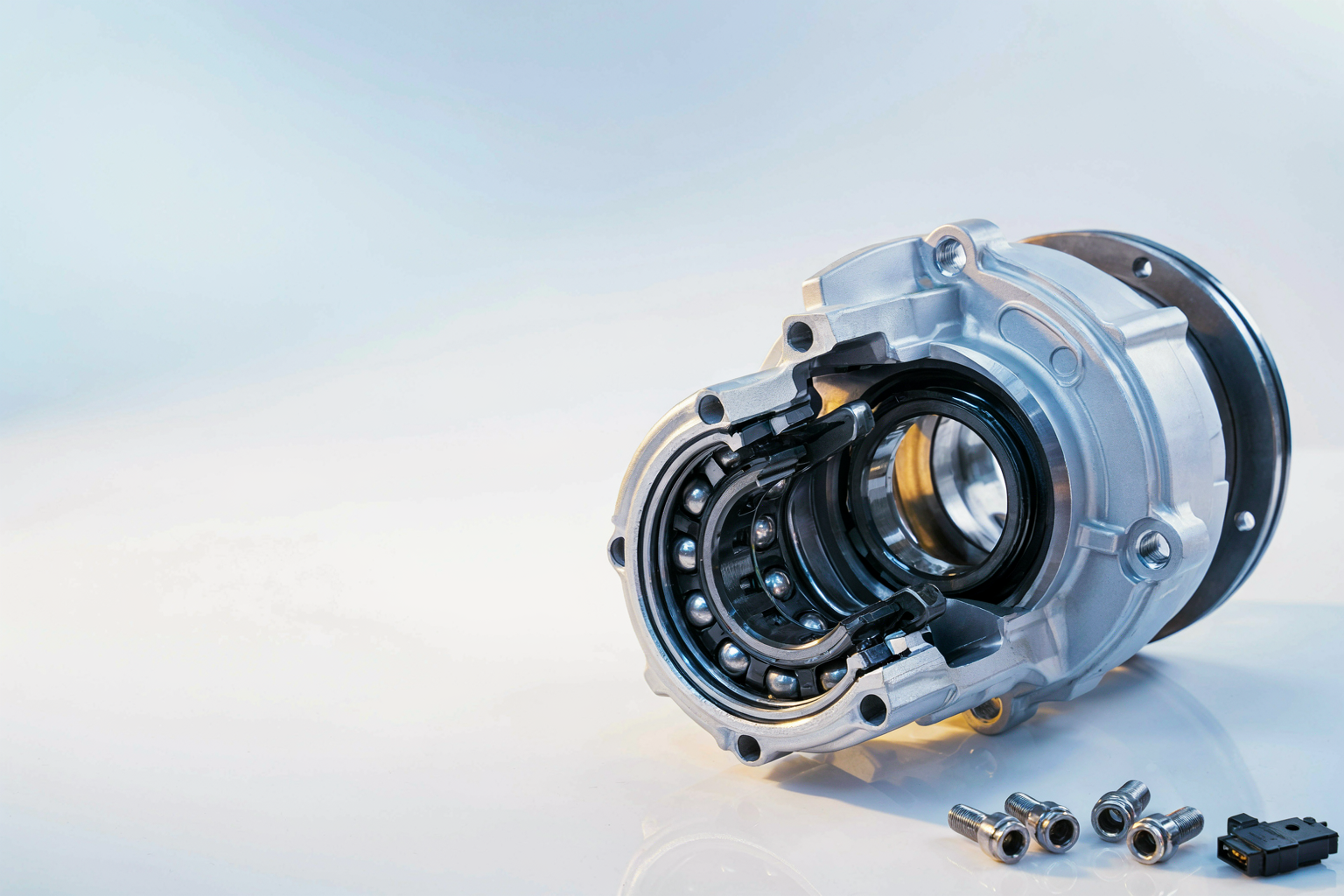
- Load Type and Load Rating: Radial load, axial load, or combined load corresponds to different structures. Wheel hub bearings typically use deep groove ball or tapered roller structures and must match the vehicle's curb weight and payload.
- Speed and Precision Class: Precision classes such as P0, P6, P5, and P4 affect running smoothness and noise level. Mainstream passenger vehicles commonly use P6, while high-end and new energy vehicle models tend toward P5 or above.
- Sealing Type and Lubrication Method: Maintenance-free sealed bearings are suitable for passenger car wheel hubs and other locations that are difficult to service frequently, while open bearings that can be re-greased are appropriate for vehicles with higher maintenance frequency.
Selection Recommendations for Different Usage Scenarios
Beyond basic parameters, the actual operating environment is equally important for selection. In high-temperature regions, priority should be given to bearings made with heat-resistant materials and high-temperature grease; in coastal areas or regions with frequent rain and snow, stainless steel bearings with stronger corrosion resistance or models with anti-rust coating are recommended; for commercial vehicles that are often fully loaded, driven long distances, or used off-road, focus should be placed on rated dynamic load and impact resistance — avoid pursuing low prices while ignoring durability indicators.
Correct Installation: The Key to Avoiding Premature Failure
Even the highest-quality bearings cannot achieve their expected service life if installed improperly. The following steps are recommended:
- Clean the shaft journal and housing bore: Wipe with non-woven cloth and industrial alcohol to ensure no dust, iron filings, or leftover oil remain.
- Use dedicated tools for press-fitting: Avoid striking the rings directly with a hammer; use a hydraulic press or heated assembly processes when necessary.
- Press-in force should be applied evenly to the end face of the interference-fit ring; never transmit impact force through the rolling elements.
- Idle rotation test after installation: Check that rotation is smooth, with no abnormal noise, and measure clearance if necessary.
Many early-failure cases are not quality issues but rather stress or contamination introduced during installation — this point deserves special attention from repair shops.
Daily Maintenance and Fault Signal Identification
Maintainable bearings require periodic servicing, while maintenance-free bearings need continuous attention to sealing condition. Daily maintenance can be approached from the following four dimensions:
- Listen to the Sound: A normal bearing produces a uniform, slight running sound. Intermittent "clicking" sounds or sharp whistling often indicate that the cage or rolling elements have been damaged.
- Check the Temperature: The housing temperature should not exceed ambient temperature plus 50°C. Overheating usually indicates insufficient lubrication, overly tight assembly, or excessive load.
- Inspect Lubrication: Regularly check whether the grease has emulsified, discolored, or become contaminated with metal particles. For maintenance-free bearings, monitor whether the seal remains intact.
- Measure Clearance: Use feeler gauges or dial indicators to measure bearing clearance. Too large or too small may indicate wear or improper assembly.
Ouyun NTK's Quality Commitment
As a manufacturing enterprise deeply rooted in the automotive parts field for many years, Handan Ouyun Auto Parts Co., Ltd.'s NTK automotive bearing product line covers wheel hub bearings, transmission bearings, tensioner bearings, and other series. Products are manufactured strictly in accordance with industry standards and are backed by a complete batch management and after-sales support system. Whether you need OEM replacement parts or are looking for higher-specification bearing solutions to upgrade overall vehicle performance, NTK provides full-service support from selection consulting to technical assistance. Choosing the right bearing and adhering to scientific maintenance practices is the only way to ensure every journey is safe and smooth.
Automotive Bearing Selection and Maintenance Notes — https://gb.ebi-bearings.com/news_detail/2029626365163503616.html